La Siesta Classic Ma May sits in the one neighbourhood of Hanoi that genuinely runs on foot — the Old Quarter’s lanes connect to the lake, the markets and the cathedrals within fifteen minutes of walking. The rest of the city — Ba Dinh’s landmarks, West Lake, the museums beyond — needs wheels: the new metro line, the dense bus network, and the ride-hailing apps that define modern Hanoi movement. This guide covers all four, and when to choose each. 🛺
🚶 Walking: The Old Quarter’s Default
The hotel’s position at 94 Ma May puts the core within walking reach: the lake and Ngoc Son Temple, 그 water puppet theatre, 그 cathedral, 그 market and bridge, 그 train street lanes — all fifteen minutes or less. The walking rules: pavements double as parking (walk on the road’s edge when the pavement is full of motorbikes — the local convention), cross with the local pedestrian confidence, and map the lane navigation on day one.
🚇 The Metro: Hanoi’s New Spine
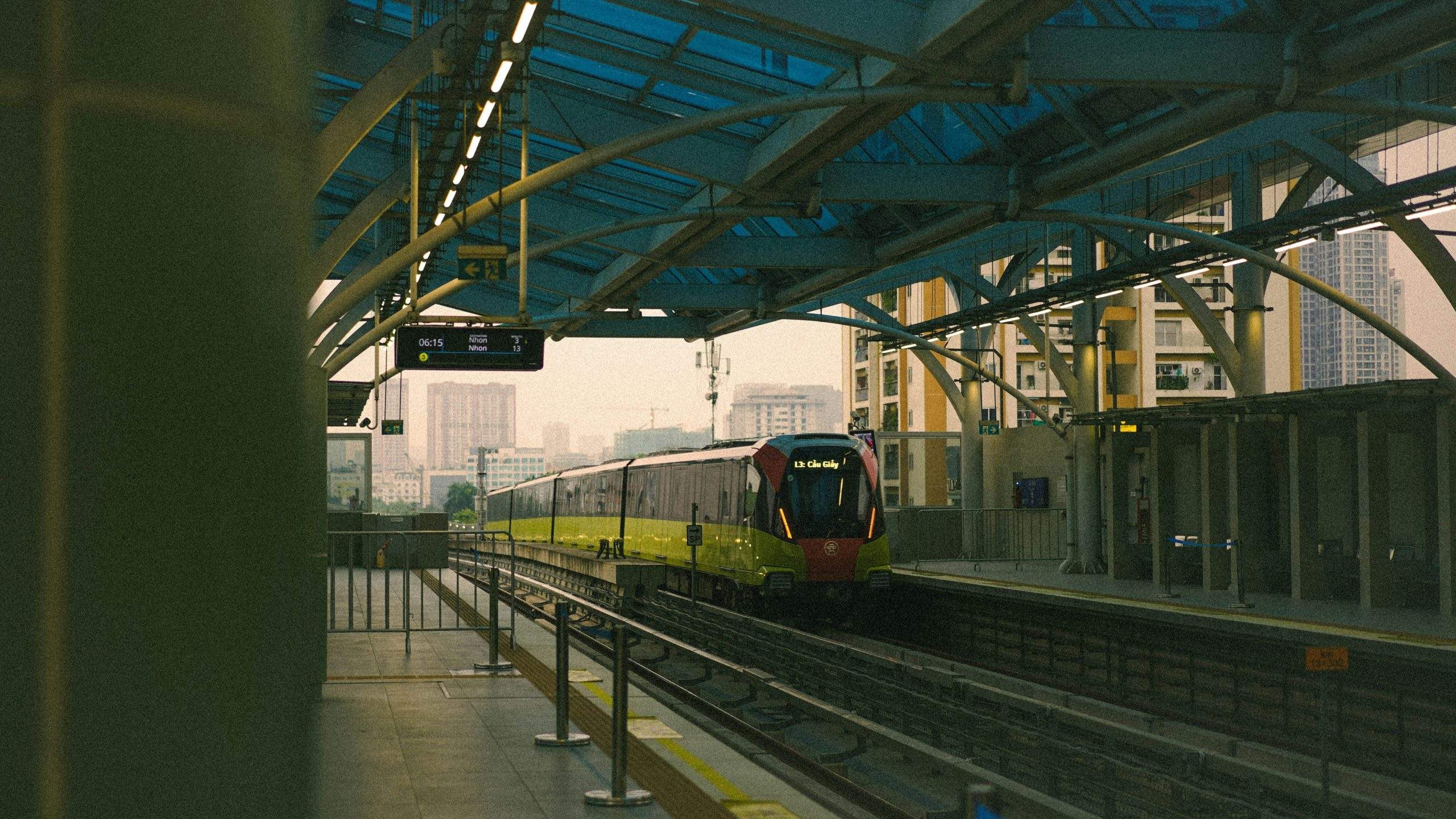
Line 2A (the elevated “catenary” line) runs from the north (Cầu Giấy side) through the city’s west toward the south-east — a modern, air-conditioned, punctual ride that skips surface traffic entirely. The Old Quarter’s closest access sits a short walk or ride-hail hop from the line’s central stations; the practical use: connecting the Old Quarter to the western districts (the museums’ arc: the heritage guide). Buy the single-journey token or the stored-value card at the gate machines; the signage runs bilingual.
🚌 The Bus Network: The Local’s Grid
Hanoi’s buses reach everywhere cheaply — the airport express lines included (the full arrival picture: the airport guide). The visitor’s honest assessment: routes work, but the lane-level navigation takes a day to learn. Use buses for the long straight hops (Dong Xuan → the French Quarter), and leave the lane-hopping to the apps. Payment: cash to the conductor or the tap cards sold at major stops.
📱 Grab and Taxis: The City’s Real Wheels
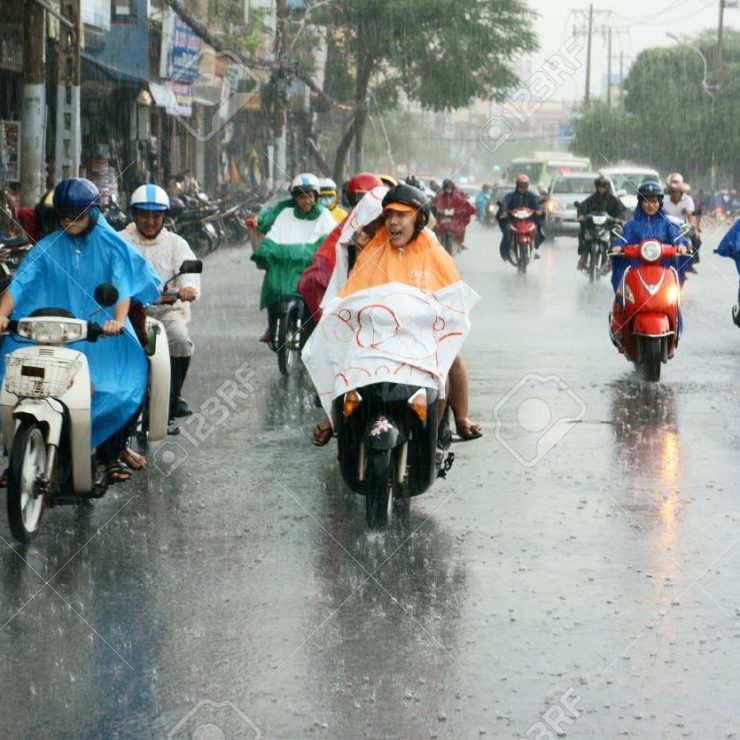
- Grab (bike and car) — the app quotes upfront, tracks the route, and runs citywide; the Grab bike is the Old Quarter’s fastest door-to-door tool for two-wheeled courage — helmets provided, hold on.
- Taxis — the metered companies queue the streets; fine for the rain and the luggage runs.
- The pricing logic — short hops cost modestly; the airport run is the big-ticket ride (compared fully: the airport guide).
- The evening return — after the night market or the opera, an app car beats the walk in rain or fatigue; the desk calls one in minutes.
🛺 The Cyclo: The Slow Ride Worth Taking Once
The three-wheeled cyclo — the pedal-rickshaw of the Quarter’s postcards — survives as the tourist experience: a slow, eye-level lap of the Old Quarter’s lanes with the wind in your face. Agree the price and the duration before boarding (the insider guide covers the negotiation), ride the quieter hours, and treat it as the photo-safari it is — the family guide rates it the kids’ favourite transport memory.
🧭 The Decision Table
| Trip | The choice |
|---|---|
| Old Quarter core (lake, cathedral, market) | Walk — always |
| Ba Dinh landmarks / museums west | Metro or Grab car |
| West Lake, periphery districts | Grab car |
| One-lane hop in drizzle | Grab bike (or walk with the umbrella: the rain logic) |
| Airport | Hotel car / app taxi (the guide) |
| The memory ride | Cyclo, once |
💳 The Payment Layer: Cards, Apps and Cash
The city’s transport payments split cleanly: the metro and buses accept the stored-value cards and the tap options; taxis and Grab run cash or the app wallet; and the street economy — the stool meals, 그 souvenir stalls — still runs on VND notes. Carry a card wallet, a bill fold of small notes, and the app of choice installed before arrival; the SIM from the airport (the arrival guide) keeps the apps live. The insider guide covers the denominations that keep change simple. 💳
Rush-hour note for the apps: 07:30–08:30 and 17:00–18:30 double the car prices and stretch the bike waits — shift thirty minutes and the same ride costs less and arrives quicker; the desk’s front staff will flag the peak windows for your route.
❓ Frequently Asked Questions
Do I need to rent a motorbike in Hanoi?
No — the Quarter runs on foot and the city runs on apps; renting adds risk without adding access.
Is the metro useful for tourists?
For the western districts — yes; for the Old Quarter core, walking wins; the line’s value grows as it extends.
How do I cross Hanoi’s streets safely?
Walk slowly, steadily, predictably — the motorbikes flow around you; never sprint, never stop dead (the navigation guide drills it).
Are cyclos a scam risk?
With the price agreed before boarding — no; the ride is a charming anachronism when the terms are clear.
🛺 The Bottom Line
Hanoi’s transport hierarchy from 94 Ma May: walk the Quarter, ride the apps beyond it, let the metro handle the west, and take the cyclo exactly once — for the photos. The city’s lanes reward the slow traveller; the city’s distances reward the app. 🚶