Three days of eating your way through the Old Quarter creates a problem you did not expect: you want the recipes. Hanoi’s cooking classes solve it properly — a morning in a market choosing herbs, an afternoon at a wok learning the fire, and a dish you can rebuild in your own kitchen for the next twenty years. This guide covers the class formats, the dishes worth learning, and the booking logic from 94 Ma May. 👨🍳
🧺 The Format: Market Basket to Table
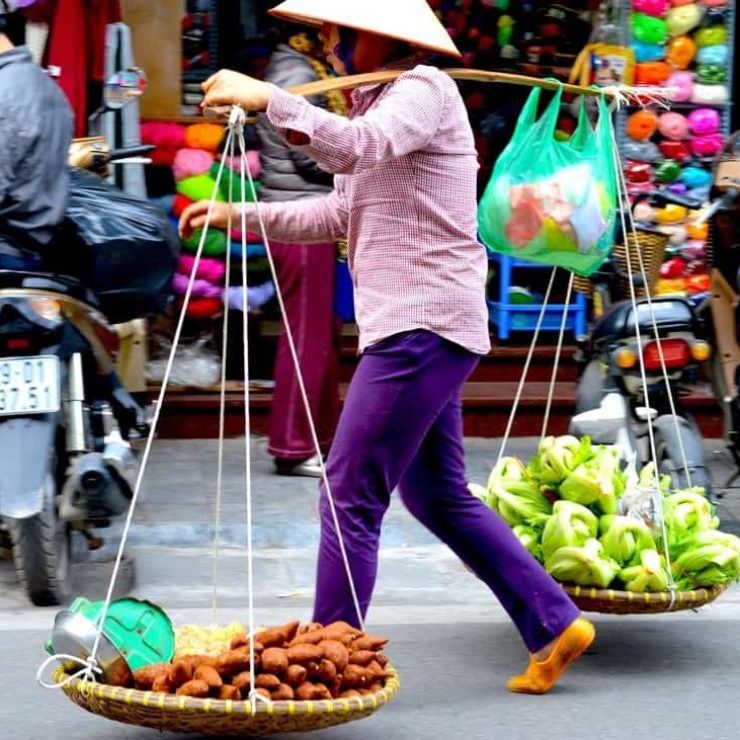
The classic Hanoi class runs three acts: a guided walk through a market — the herb wall explained (the food guide’s table kit, decoded properly), the proteins chosen, the morning’s produce bargained with a translator’s help; then the kitchen — knife work, the fish-sauce arithmetic, the wok’s fire discipline; then the table — you eat what you cooked, with the chef’s corrections served alongside. Classes run half-day (market + cooking) or shorter kitchen-only formats, and most end with a printed recipe card set.
🍲 The Dishes Worth Learning
- Phở — the broth discipline (the dish you have been eating: the guide); the long version teaches patience, the short version teaches assembly.
- Bún chả — the charcoal grill and the dip’s sweet-sour balance; the lunch crown’s secrets.
- Nem rán — the spring-roll fold and fry; the party dish you will make forever.
- Chả cá — the turmeric-fish-and-dill table grill; the Old Quarter’s signature technique.
- Bánh cuốn or the steamed set — the vegetarian-friendly track (tell the school at booking; the food guide notes the chay logic).
📅 The Booking Logic from the Hotel
- Through the concierge — the tour desk (the hotel guide) knows the schools’ current quality and schedules; say the dishes you want and the dietary notes.
- Morning classes — market-first formats run in the morning; the class ends by lunch, leaving the afternoon for the souvenir circuit.
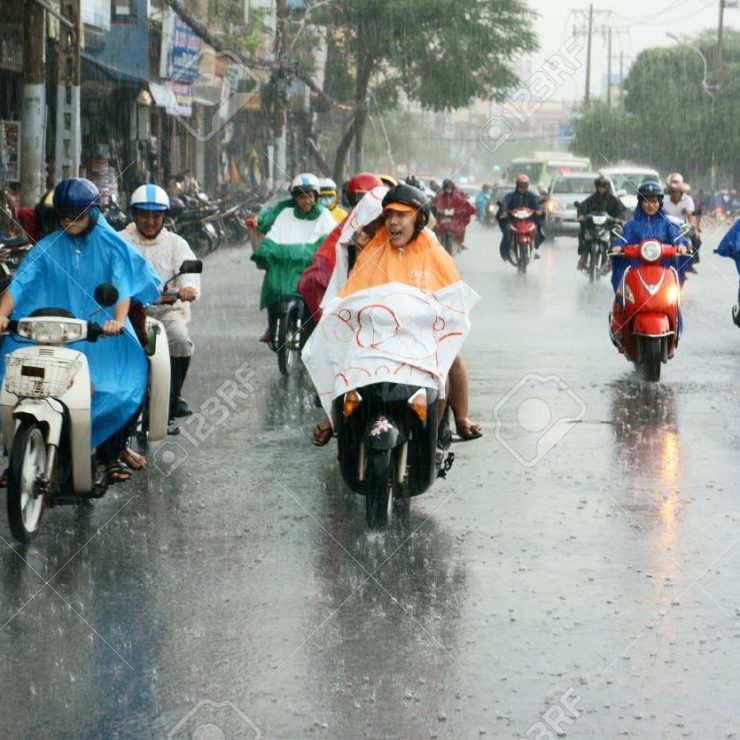
- The rainy-day swap — a wet afternoon converts neatly into a cooking class (the weather guide keeps a wet-day list).
- Group vs private — group classes are social and cheaper; private classes suit families and the dietary-flexible (the family guide plans the kids’ version).
🛒 The Market Walk: What You Will Learn There
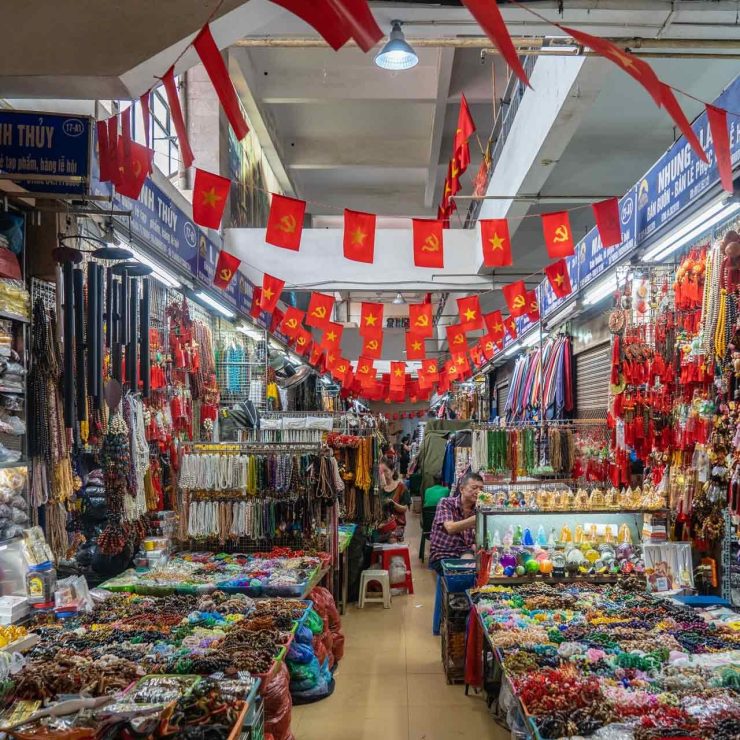
The market act is the class’s real education: the herb vocabulary (Vietnamese cooking runs on a dozen herbs — perilla, sawtooth, the mint cousins), the protein judgement (what fresh looks like at 07:00), and the market manners (how to buy without shouting). The Dong Xuan market guide previews the halls most classes walk through.
🎒 What to Bring Home (Beyond the Recipes)
- The spice and sauce kit — fish sauce, the herb seeds, the dried spices; all pack flat (the souvenir guide lists the shops).
- The phin filter — the coffee kit pairs with the egg coffee attempts at home.
- The knife-skill photos — the class’s action shots are the trip’s best kitchen decor.
🌶️ The Herb Wall, Decoded Early
The market walk’s fastest lesson is the herb family that separates Vietnamese cooking from every neighbour: tía tô (perilla), rau răm (sawtooth coriander), the mints and the dill that rules chả cá. Learn five names at the stall and every dish on the trip reads differently — the garnish plate stops being decoration and becomes the recipe’s second half. The chefs start class there for a reason; take a photo of the labelled bundles and the souvenir shopping simplifies (the guide lists the market’s spice stalls). 🌶️
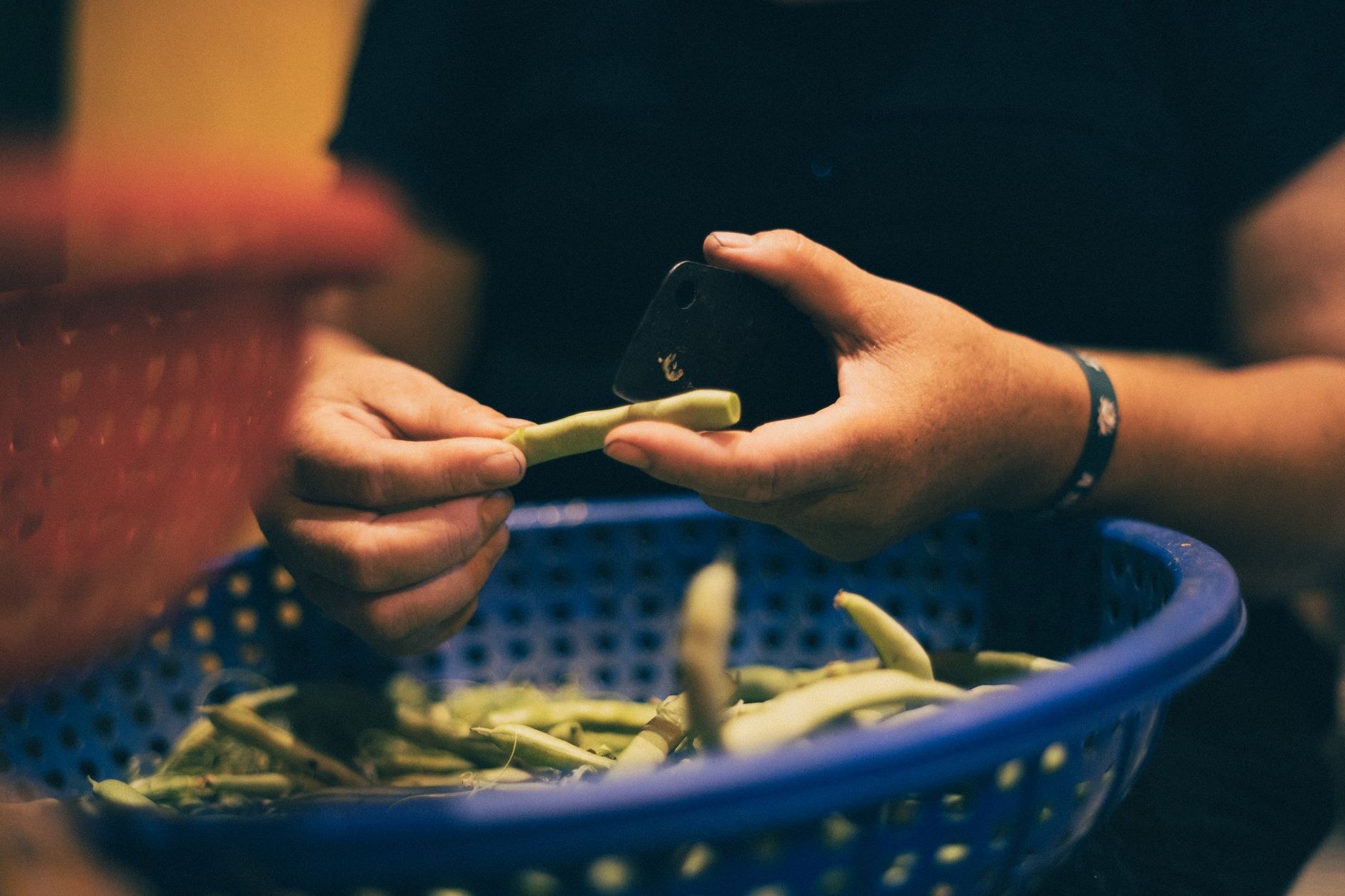
The knife note, before class: Vietnamese kitchen prep runs on a short heavy cleaver and a rhythm, not force — watch the chef’s wrist and copy the motion rather than the muscle. The class’sknife-and-herb segment transfers to your kitchen faster than any recipe card, and the market act has already taught the ingredients that make it sing.
❓ Frequently Asked Questions
Do I need cooking experience?
No — classes tier to beginners; the chef scales the fire to the room.
Are classes vegetarian-friendly?
Yes with notice — the market walk adapts and the steamed set substitutes the grill; say “ăn chay” at booking.
How long is a class and what does it cost?
Half-day formats (market + kitchen + meal) run most of a morning or afternoon; kitchen-only sessions are shorter — book through the concierge for the current menus and rates.
Can children join?
Older children join group classes happily; younger ones prefer the private family class — roll spring rolls, no fire (the family guide).
🥢 The Bottom Line
A cooking class converts Hanoi’s flavours into luggage that customs allows: recipes, techniques and a market’s worth of vocabulary. Book it for the mid-trip morning — the market at dawn, the wok by noon, and dinner that night tastes different already. 🌿